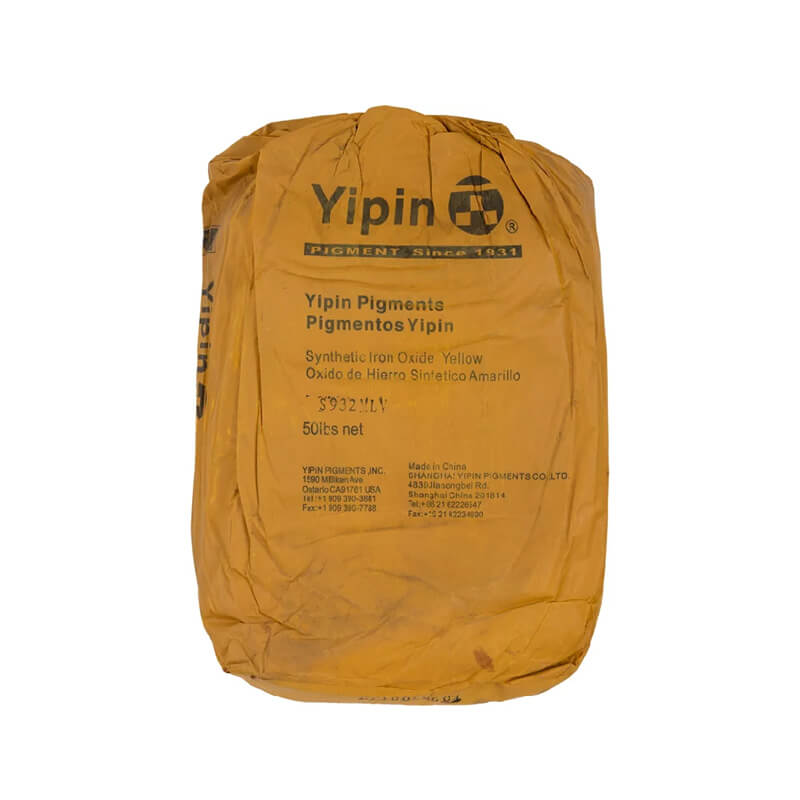
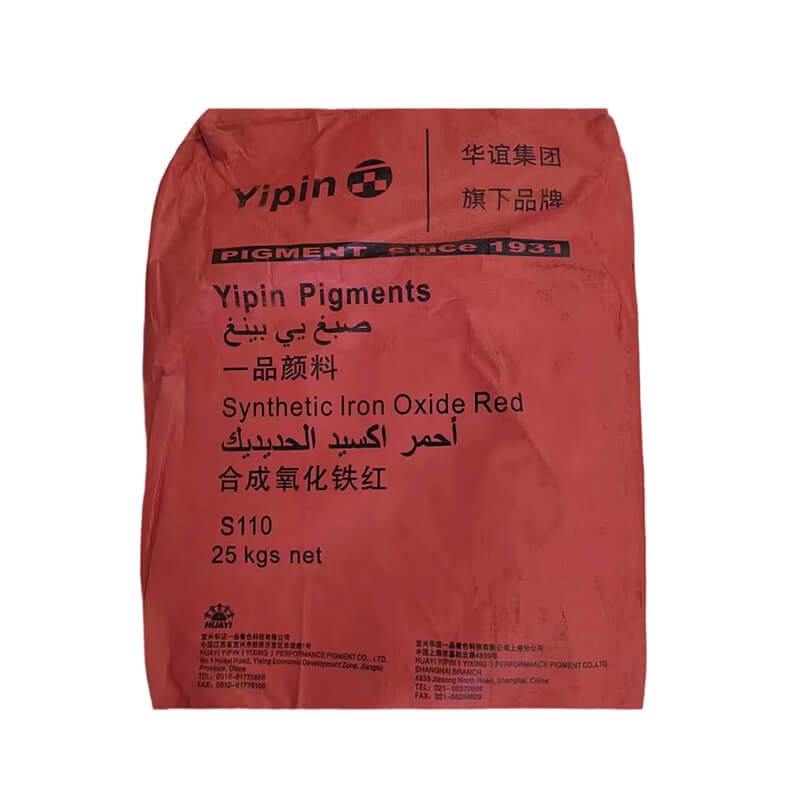
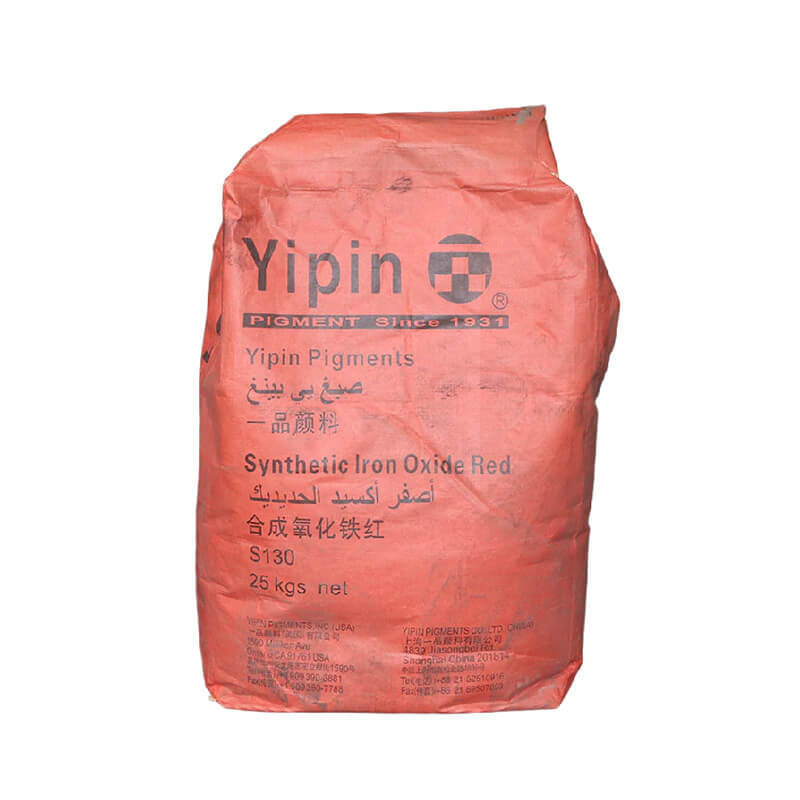
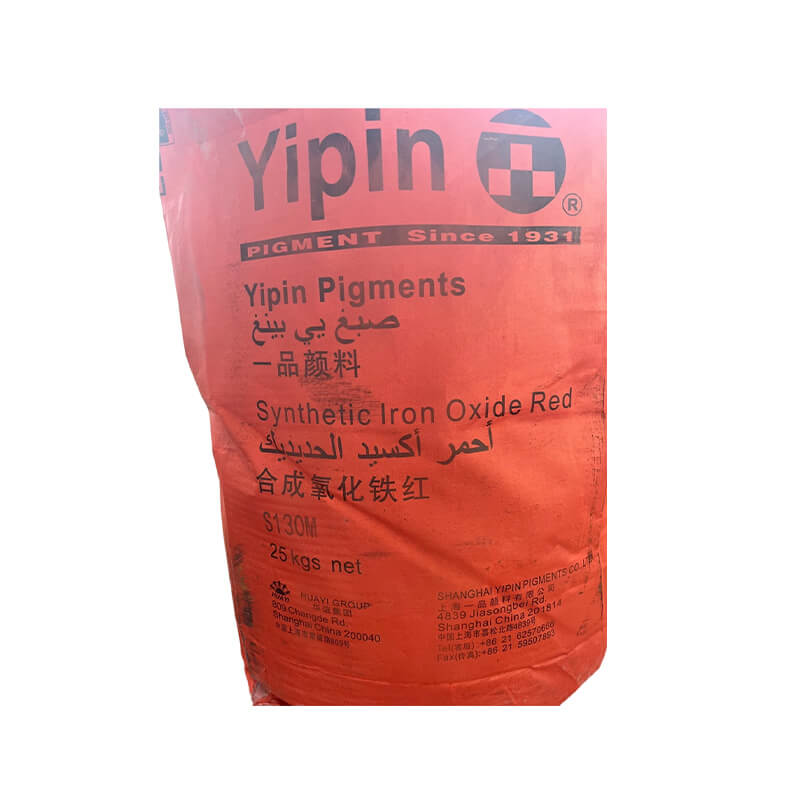
Quality Assured, Industry-Proven, and Ready for You
Our products meet international quality standards with rigorous testing and certification processes.
Continuous innovation drives our product development, ensuring cutting-edge chemical solutions.
Our skilled professionals provide technical expertise and personalized support for every client.
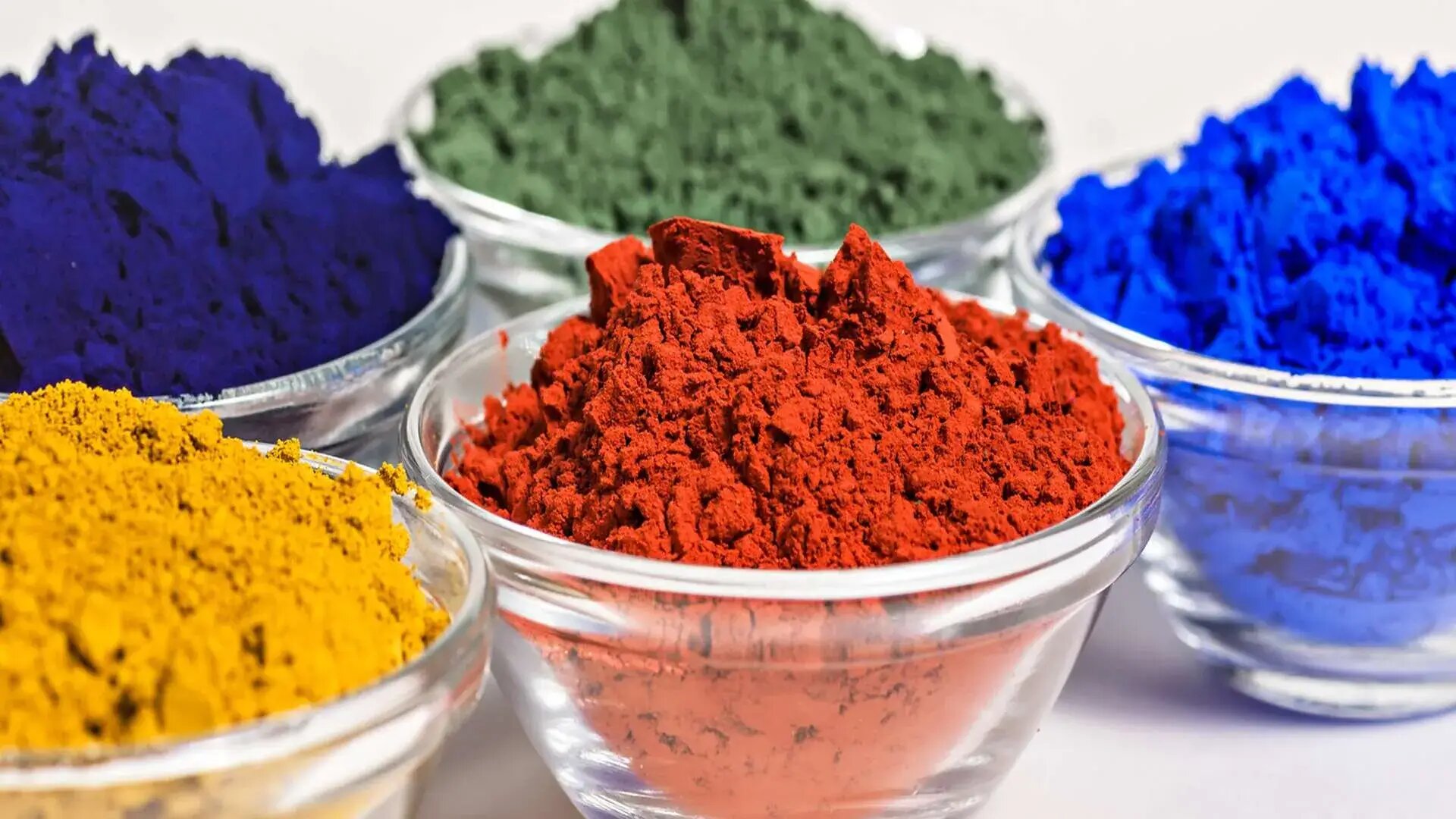
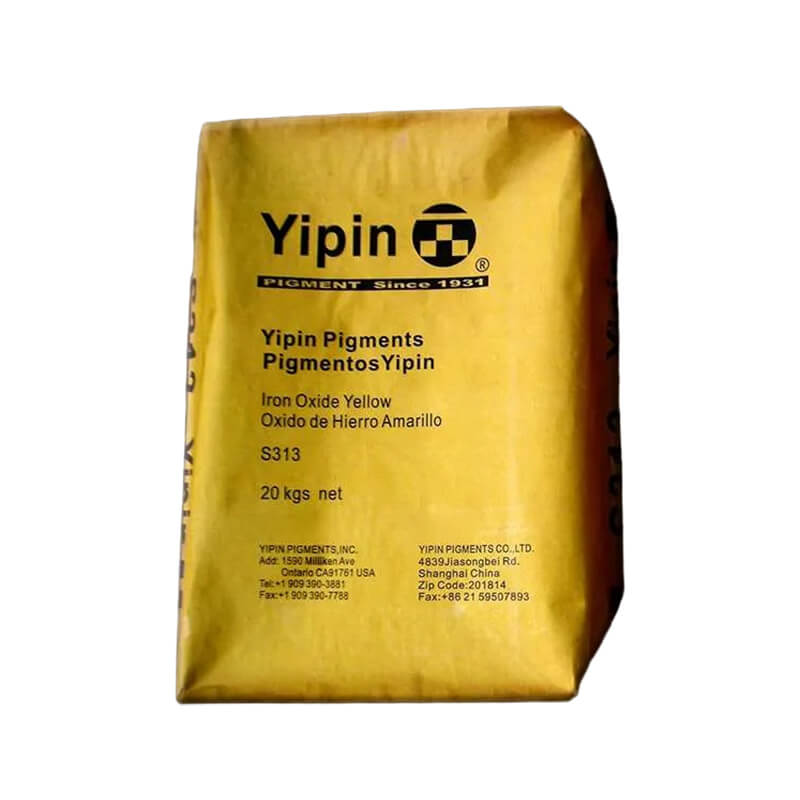
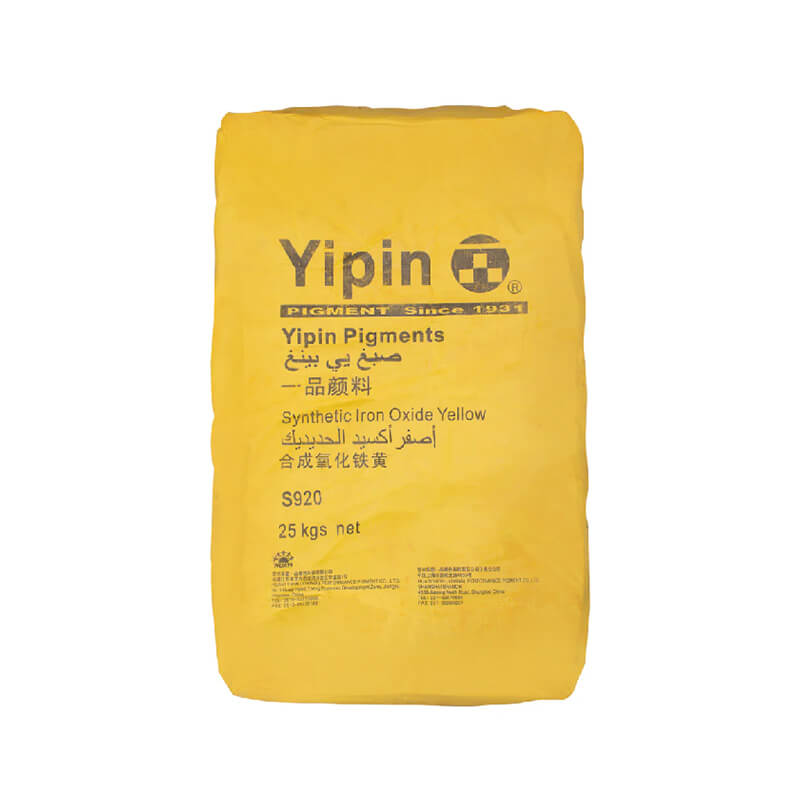
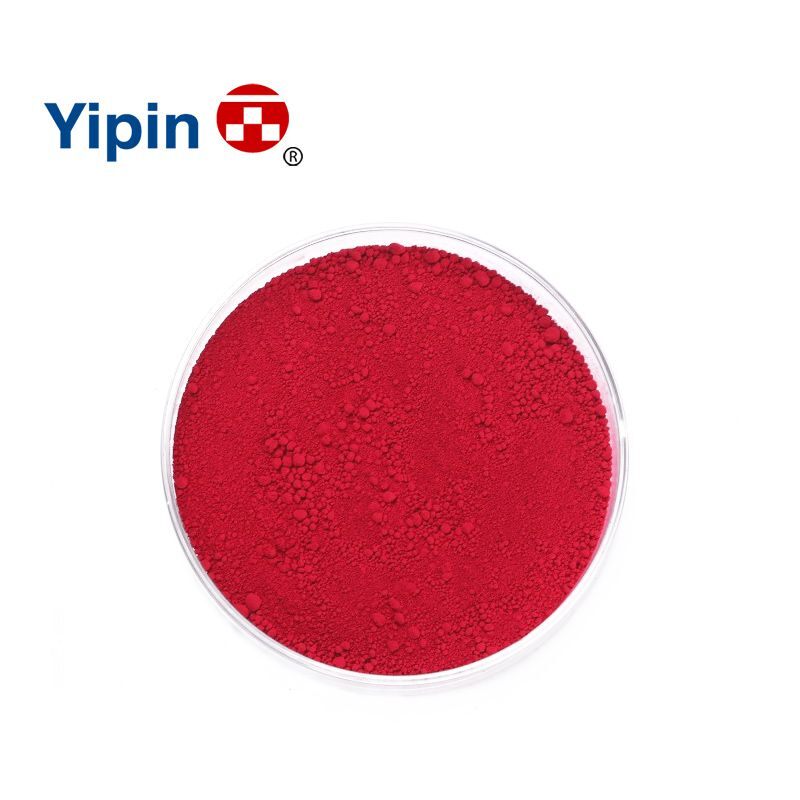
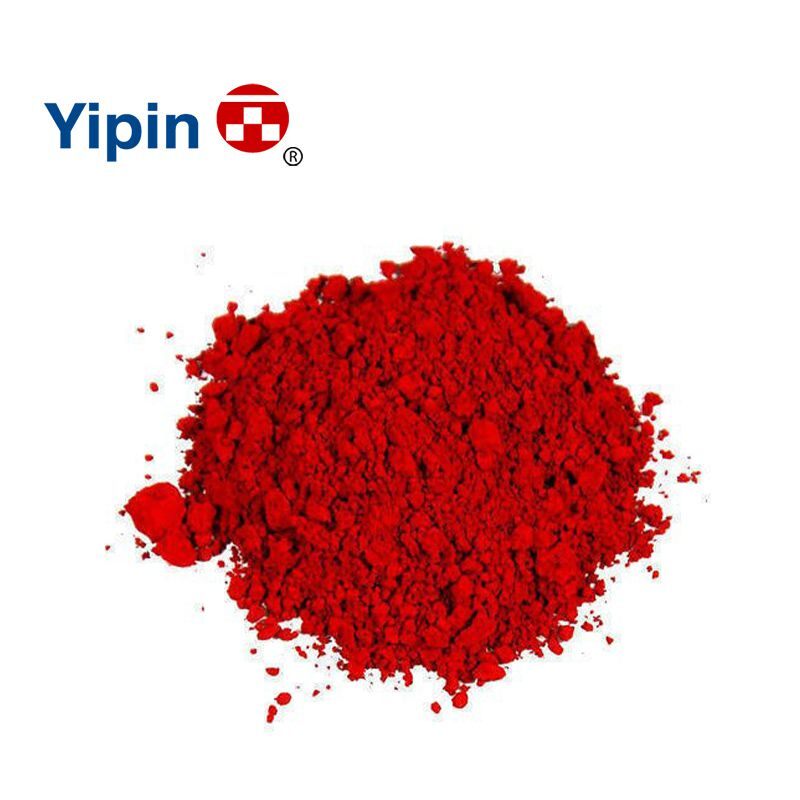
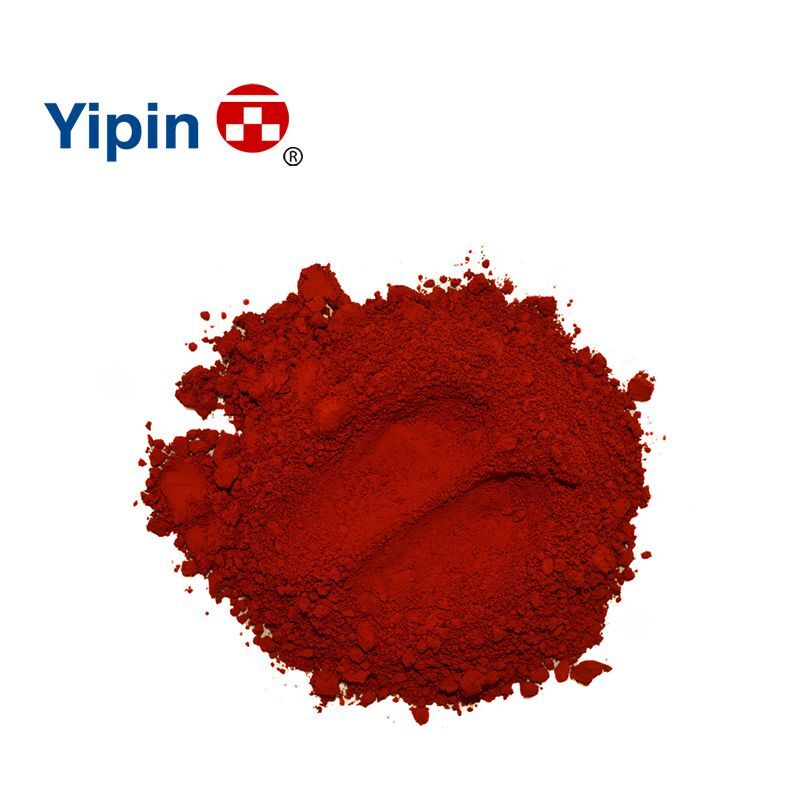
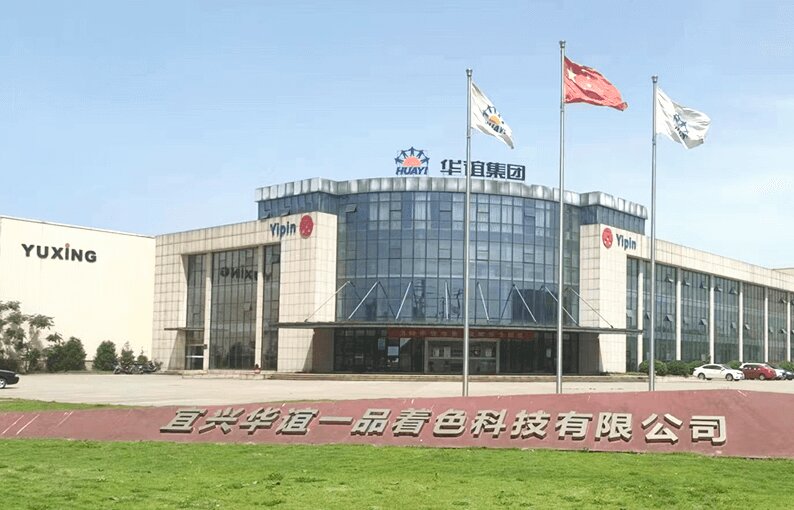
Our factory floors see the daily rhythm of pigment production up close—pressing, grinding, calcining, and quality checks running side by side with the hum of mixers and the clang of steel. Shanghai Yipin Pigments operates from this foundation, not from a polished salesroom. The work we do here shows in the constant resin coating sticking to gloves, the dull thud of pigment lots tipping into vats, the ache after a day at the grind. This direct connection with the physical product lets us spot tiny shifts—a change in temperature or a slight variation in ore character—from experience, not charts. Over decades, we've seen the subtle pitfalls in pigment preparation, such as moisture migration during storage or particle agglomeration clogging feeders. Every process tweak or new equipment line gets tested under conditions mirroring real paint, plastics, inks, or construction plants, not just a controlled lab bench. Years spent in this setting makes the difference between a theoretically pure pigment and a batch that blends into paints without streaking or disperses easily in a concrete mixer on a humid summer day. Clients who demand reliability in their pigments tend to look beneath the glossy surface of samples. They ask questions about the local mines we source iron oxide from, or the way we split batches for pigment grading. In Shanghai, we secure ore from trusted regional mines that continually meet our internal purity benchmarks. Raw materials variation remains a daily concern. A load from a new mine might carry different trace minerals; a storm upstream may slightly raise the moisture in a shipment. These aren’t problems fixed by theory alone. Only experienced eyes and rigorous sampling prevent a single inconsistent batch from passing downstream into automotive paints, where even mild color shifts get rejected. Our technical staff walks each incoming lot to spot these subtle differences, running repeated firing and grind tests—shooting for not just the national standards, but to match years of shipping records and client feedback. That habit of hands-on discipline becomes real reassurance for any formulator or procurement manager checking monthly supply. The world of inorganic pigments gets measured in more than cost per kilo. Color builders in construction, paints, and plastics need exact hues to match their brand shades or local city regulations. We field frequent calls from manufacturers across continents, searching for “Yipin Yellow 313” or “Red 130”—unmistakable signs that our products have become process standards. A frequent test involves blending our iron oxides in white cement, laying out tiles under both daylight and fluorescent lamps, then scrutinizing the batch for color drift, edge shading, or premature fading. Our pigmented test slabs in the factory yard face the sun for months, so we can check for weathering that would show before it causes damage to highway markings or facade coatings. This focus emerged from past client audits, especially those from North America and Europe, which required third-party inspection, repeat sampling, and unpredictable spot checks. These kept us focused: not just meeting technical sheets, but matching every export shipment to what years of real-world construction projects demanded. Countless alternatives to high-quality pigment exist. Experience has taught us that impurities and particle instability can cause headaches far greater than any small savings. Concrete batchers will recall how lesser pigments lead to efflorescence, shifting building tones after rain. A higher chloride or heavy metal residue in iron oxide triggers warnings in children’s toy plastic audits, open jars of waterborne paint, or slip-resistant tiles. Strict monitoring at each step limits these risks. Our chemical engineers devote whole production shifts to batchwise leaching, pH control, and spectrometry—eliminating trace contaminants before they ever reach our finished bags. Some buyers pursue the lowest cost no matter the route, gambling on inconsistent sources. Our records show, over decades, long-term clients rarely return to cheaper outsourcers after running into product failures. The cost of a construction recall or a toy safety violation overshadows any price gap. Practicing vigilance on composition and mineral origin transforms pigments from a mere tone provider to a guarantee of durability and trust. Industry today demands more environmentally sound processes. Tightening VOC limits, regulatory pressures on heavy metal content, and customer anxiety about hazardous dust all shift pigment formulas and handling practices. We responded on the workshop floor, investing in closed-system milling and low-dust bagging equipment, not just to comply but because our safety team returned better results for both staff and the customers opening our sacks in distant plants. Our research spent years developing iron oxides from spent acid, capturing environmental value from what would otherwise be disposed waste. Formulators now call for pigments with ever-narrower particle sizes or specific oil absorption profiles to work in water-based architectural coatings and next-generation plastics. We partner directly with paint chemists and compounders, adjusting calcination cycles and filter grades stepwise until those precise performance marks get hit. Flexibility comes not just from a willingness to listen, but from a practice of hand-tuning processes and building new pilot lines when a major client needs it. The daily business of pigment delivery involves more than product lists and shipping receipts. Lasting partnerships with coatings, construction material, and plastics companies emerge from transparency and problem-solving at every step. Long before orders are placed, members of our technical team spend hours discussing production setups, reviewing failure cases, and visiting client plants to see pigment performance firsthand. We’ve traveled to municipal construction yards in Guangzhou to troubleshoot batch shading in highway curbs, and stood alongside extrusion engineers in Vietnam addressing streaking in pigment masterbatches. These relationship investments feed improvements to both our process precision and customer confidence. The root of reliable supply isn’t just high production volume or speedy logistics—it rests in the repeated, careful testing of every lot for color, density, and application fit, followed by conversations with the people who use pigments daily. By making pigment development a real two-way process, Shanghai Yipin continues to build trust, refine color, and stay ahead of industry change. Mobile: +8615365186327E-mail: sales3@liwei-chem.comWebsite: www.yipin-pigments.com
Read More
Shanghai Yipin Pigments isn’t just another name on a shipment label; we’ve watched the pigment world change from up close. The early 1980s saw colorants flowing from Europe and Japan, but these days, Chinese pigment factories—ourselves included—supply industries worldwide. Handling iron oxide synthesis isn’t about grand machines or corporate logos; it happens through hands-on process adjustments, careful resource management, and the daily grind of batch checks. You don’t see how much time goes into maintaining consistency across hundreds of tons monthly until you stand by the reactors at four in the morning, checking colors under LED lights because daylight consistency isn’t enough. Customers count on this detail, and these efforts set real manufacturers apart from commission traders who never smell the mixing vats. As factories like Yipin expanded, the game changed from making a few reds and yellows to building a broad, reliable palette. Global construction boomed, demanding more than traditional hues. Buyers in North America and Europe want shades tailored for protective coatings, decorative concrete, plastics, ceramics, and printing inks, with each segment listing nuanced standards. Only direct manufacturers who build processes from the ground up can truly trace pigment quality back to every raw material batch—whether it’s local haematite or imported synthetic iron salts. Factory teams spot color drift early, adjust pH and temperature, and tweak purification methods. Traders talk about price competition, but inside Yipin and other production sites, efficiency means reworking continuous calcination schedules, improving dust management, and reducing waste—not just haggling with middlemen. Clean manufacturing has become the real battleground. Across China’s pigment sector, the push to reduce pollution has forced operators to overhaul wastewater treatment, lower emissions, and reclaim solvents. Yipin’s story stands as an example: only makers with deep roots and enough technical infrastructure invest in automated environmental controls and high-efficiency scrubbers. Oversight isn’t abstract—government inspections happen without warning, requiring active monitoring. It takes a skilled team on the ground who understand the difference between acceptable discharge and true chemical stewardship. Product quality flows from these upgrades, since a properly controlled process makes fewer off-spec batches, cuts raw material consumption, and actually drives down costs over time. Other factories have closed after failing these standards, so the surviving plants lead not just in output, but in sustainable production. Most end-users have never set foot inside a pigment plant. Still, questions about traceability, ethical sourcing, and long-term reliability draw the line between manufacturers and sales companies. The biggest projects—water-based architectural coatings, energy-efficient roofing tiles, heavy-duty epoxy flooring—require decades-long supply partnerships. Only a producer who runs reactors and packaging lines can promise shipment dates year in, year out, and address issues without passing blame up the supply chain. We’ve replaced entire lots for customers who needed a shade match for a legacy product or missed a key test on a new application. Trust doesn’t get built through PDFs or data sheets; it happens through consistency and direct answers. Yipin has faced changing export regulations, currency swings, and logistics setbacks just like the rest of the industry, but our approach—solving supply challenges with technical fixes, not empty promises—keeps our partners coming back. Shipping disruptions, feedstock price spikes, and strengthening oversight force us to stay nimble. Raw material volatility hits harder for pigment manufacturers using old technology. We transitioned away from wasteful furnace oxidation, brought in closed-loop water recycling, and took on the heavy upfront costs of emission controls because the alternative led to scrap piles, regulatory fines, and lost contracts. Every season brings new customer demands, from lighter tint strengths to tighter particle size controls. Handling these requests isn’t about pushing the old machinery harder; it’s about reinvesting in skilled chemists and smart process upgrades. Some pigment buyers fixate on price alone, but regular audits quickly reveal which quotes come from working plants and which ones trace back to re-bagged goods. Dozens of competitors have come and gone, but steady manufacturers like Yipin who adapt early stick around for the next cycle. The pigment sector will keep facing tighter environmental rules, evolving customer requirements, and new technologies. Chemical plants succeed in the long-term when their teams know how to solve daily process challenges—dust, consistency, wastewater, regulatory certificates—with hands-on knowhow. Yipin’s path mirrors the best of the pigment industry: not chasing the lowest price, but building a stable ecosystem of suppliers, engineers, and customers who all count on proven reliability. Running a chemical plant leaves no room for shortcuts; keep the lines moving, keep the product matched, and make sure the next generation inherits a cleaner, safer operation. Real manufacturing isn’t glamorous, but it keeps industries in motion—and those who do it right set the standards for everyone else. Mobile: +8615365186327E-mail: sales3@liwei-chem.comWebsite: www.yipin-pigments.com
Read More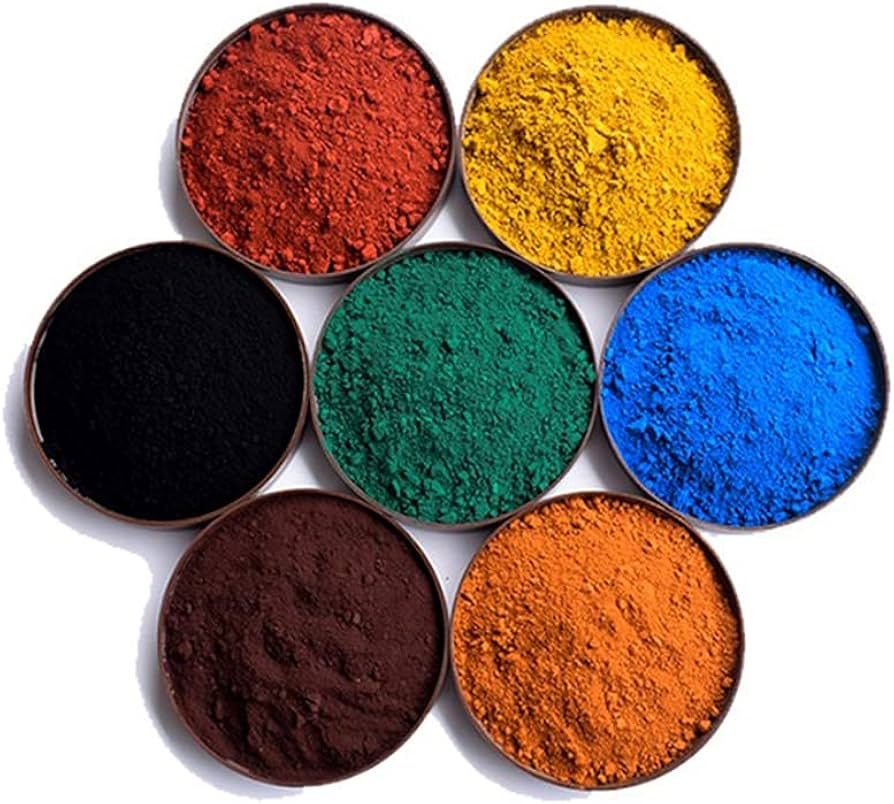
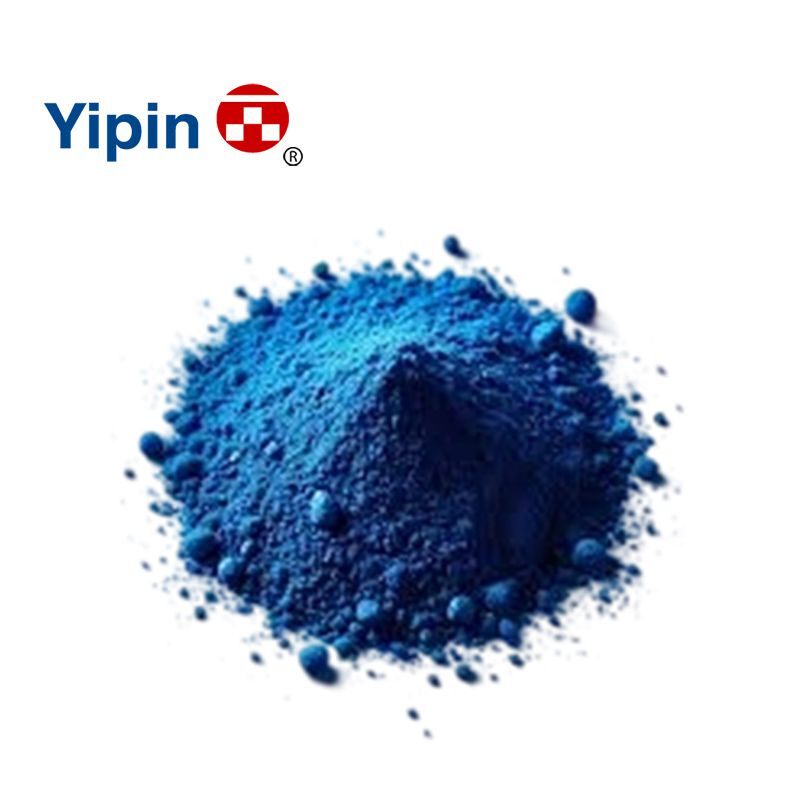
In the pigment industry, experience underpins every success story. Yipin Pigments lives this every day, handling raw materials and production in-house to shape iron oxide and ultramarine blue products. Production isn’t about pushing out tonnage; it’s about catching small changes in humidity, mixing ratios, and firing temperatures that affect the color and consistency customers see in their finished goods. Shifting to automated controls solved some consistency headaches, yet manual quality checks by trained technicians catch what sensors sometimes miss. As a factory team, we’ve seen how even trace contaminants in source raw minerals can wreck batch consistency. Over the years, we partnered closely with miners and local suppliers to tighten specifications on iron and sodium materials long before they hit our kettles. Customers have told us they trust our pigment because real people are looking after it, not just a set of remote spreadsheets. Many industries treat pigment as just a colorant, but as manufacturers, we learn it’s an essential physical ingredient with complex chemistry. In concrete production, iron oxide pigment must lock in fade resistance and dispersibility, not just meet a color chart. Road and tile makers appreciate the way Yipin iron oxide holds up in outdoor exposed projects without rapid chalking or leaching. Paint producers, both decorative and industrial, started asking us for custom dispersions that avoid hard agglomerates, so our R&D chemists retooled our finishing steps to cut down dusting and make powders flow more smoothly. Ultramarine blue brings more challenges—its sodium composition can react in alkaline environments, so tweaking the calcination cycle helped us serve plastics and detergents producers with higher stability grades. A customer once brought in an old batch claiming inferior color strength—we tracked it to a local water chemistry index that had shifted, and adjusted our feed water protocols. Small operational improvements built over years mean buyers avoid costly surprises in downstream processing, and they keep coming back with tougher requirements because they know we’ll try new production tweaks rather than relying on yesterday’s formulas. Global customers demand pigments that clear strict quality and compliance gates. Yipin’s factory team puts in the long hours matching batch-to-batch traceability and archiving production records, so producers in Europe, the Americas, or Asia don’t worry about local regulatory headaches. Certification audits and REACH or EN71 requests arrive frequently, and our technical staff have drilled SOP routines for years to gather supporting test data, impurities profiles, and documentation before goods leave the plant. Product recalls cost time and reputation, so we keep direct communication with downstream users—paint chemists, plastic compounders, construction customers—rather than sending them through distribution layers. This transparency pays off: it let us get ahead of a region-wide compliance change in Southeast Asia, updating our iron oxide grind and cleaning process in advance. Our operations learned long ago that regulatory lapses in pigments hit hardest at the application level—where a single heavy metal reading, mischaracterized dust hazard, or unintended solubility problem can scrap a production run. Customers mention they trust Yipin’s paperwork because it’s prepared first-hand by the manufacturer and supported by in-plant process data. Pigment plants have legacy systems, but staying still in today’s market means falling behind. Yipin’s engineering team has spent years modernizing calcining ovens and dust extraction setups, so emissions run lower and energy is saved in every cycle. We saw the impact of local environmental rules early on, especially for iron oxide, where old manufacturing routes relied heavily on acid and high-energy inputs. Upgrading to closed-loop water systems and heat exchangers lowered both costs and environmental risk—both more pressing issues as coastal regions tighten environmental permits. End-users of pigments face mounting pressure for transparent supply chains; their demands have forced pigment manufacturers to open their processes to scrutiny, invest in better waste handling, and adopt greener chemical alternatives in surfactants and auxiliaries. Staff at Yipin’s facilities take pride in reducing offspec batches, reclaiming usable pigment from process waste, and explaining our progress openly during customer site audits. These are not abstract sustainability programs, but everyday decisions that change our job on the floor. Customers looking for supply partners who share real skin in the game on sustainable manufacturing recognize those efforts, and our repeat business reflects industry respect for this approach. Real-world pigment issues rarely arrive in neat lab reports. Production managers call up because a paint line ran slower or a plastics compound started streaking after a pigment lot change. Yipin’s legacy as a manufacturer means our technical team answers the phone directly, connects with customer plant staff, and shares production insight that a trader or catalog seller simply won’t have. Over the years, we’ve helped solve trace moisture problems in powder blends, worked through subtle pH shifts in binder systems, and guided customer staff on cleaning out old pigment stock safely—all tasks demanding hands-on manufacturing knowledge. Many of our pigment buyers come in for tours, seeing for themselves the people and machines responsible for every shipment. Sharing details—like why specific dryers run hotter in humid seasons or how color strength is stabilized batch by batch—builds confidence and loyalty that abstract marketing claims never achieve. Our staff even assist clients with regulatory file submissions, supporting them with our own plant data, which makes successful global market access smoother and more predictable. From one generation of pigment workers to the next, the key lesson remains: customers need real answers to daily process challenges, and that requires conversations grounded in hands-on factory experience, not generic sales scripts. Each bag or drum of pigment that leaves Yipin’s plant carries the weight of our team’s attention to material quality, regulatory compliance, and direct accountability. Decades of supply chain shocks, regulatory changes, and shifting end-user demands proved that success in the pigment industry comes down to trust earned batch by batch, customer by customer. Factories relying on Yipin pigments already know the faces, voices, and methods behind the color in their products. Our commitment to stable quality, technical openness, and manufacturing integrity remains constant—even as the world's demands evolve. Mobile: +8615365186327E-mail: sales3@liwei-chem.comWebsite: www.yipin-pigments.com
Read MoreYour reliable partner for high-quality chemical solutions.
Get In Touch